
Business credit is not a single score. It is a set of files held by commercial data companies, built from trade accounts, public records, banking behaviour and sometimes the owner's personal credit. Lenders combine those files with financial statements and their own judgment.
This guide explains what goes into a business credit file, how to build one before you apply, and how to correct information that is wrong. It is general information; the exact data and scoring used varies by country and provider.
Key facts
- Commercial credit files are separate from consumer credit files, but many lenders still check the owner's personal credit.
- Trade accounts that report payment history help build a verifiable business credit record.
- Business registration details should be consistent across suppliers, banks and official records.
- Late payments, collections and judgments can stay on a commercial file for years.
- A personal guarantee means the owner's own credit and assets remain part of the risk picture.
What is in a business file
A commercial file typically contains identifying details, registration information, payment history with suppliers, credit inquiries, public records and sometimes bank or lease data. Providers collect from creditors, courts and other public sources, and coverage is uneven.
A thin file is not necessarily a bad file. It means there is little evidence either way. Lenders then rely more heavily on the owner's personal credit, the company's financial statements and the strength of the relationship. Building evidence in advance reduces that uncertainty.
Building the file
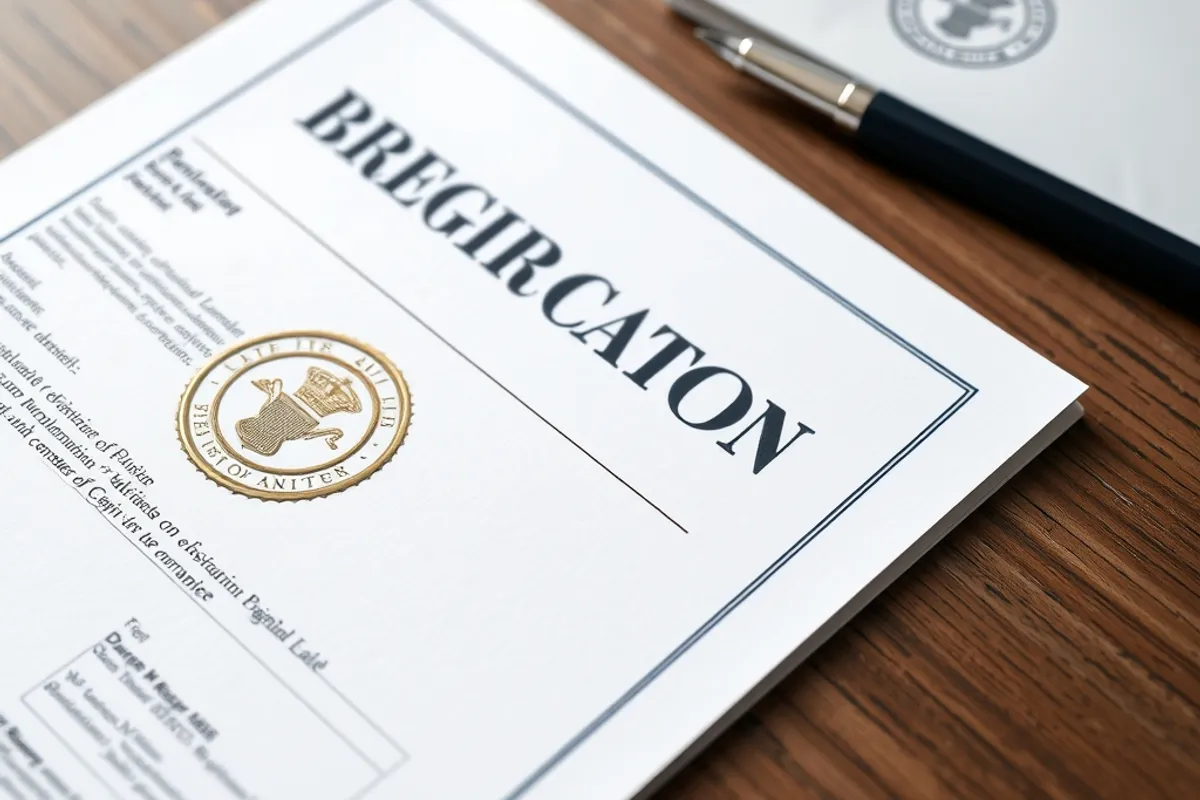
Start with the basics: register the business correctly, use a consistent legal name and address, and keep a business phone and email separate from personal details. Open a business bank account and pay business expenses from it. Consistency is what allows data providers to match records to your company.
Then add reporting relationships. A supplier that reports payment behaviour is more useful than a supplier that does not, even if the credit limit is modest. Pay early or on time, keep balances sensible and stay within the agreed limit. A short, clean history is a better foundation than a large facility used badly.

Trade credit that reports
Ask suppliers whether they report to commercial credit agencies. Many do not, or report only to one. If your main suppliers do not report, consider adding one or two that do, even for a small regular order. The goal is a pattern, not a collection of accounts.
Do not open accounts you do not need just to create a file. Unused accounts can still create inquiries and administrative overhead. Choose suppliers relevant to the business, use them consistently and keep the payment record spotless.
The personal credit link
Most small business lending still involves a personal guarantee, especially for younger companies. That means the owner's consumer credit report, income and existing debts are part of the decision. Check your personal reports for errors before applying.
If the business has multiple owners, lenders may review each guarantor. Discuss that openly before submitting an application. A weak file from one partner can delay or sink a deal, and surprising a co-owner with a credit check is a good way to damage the relationship.
Correcting errors
Review each commercial file for wrong addresses, duplicate records, incorrect payment status and accounts that belong to another company. Dispute in writing with the provider and, where relevant, with the creditor that supplied the data. Keep copies of every submission.
Corrections take time. Start at least a quarter before a planned application. A clean file is not a guarantee of approval, but an unresolved error gives a lender a reason to hesitate or price the risk higher.

A business credit file is built in quiet months. It is spent in the month you need a lender to say yes.
Monitoring and maintenance
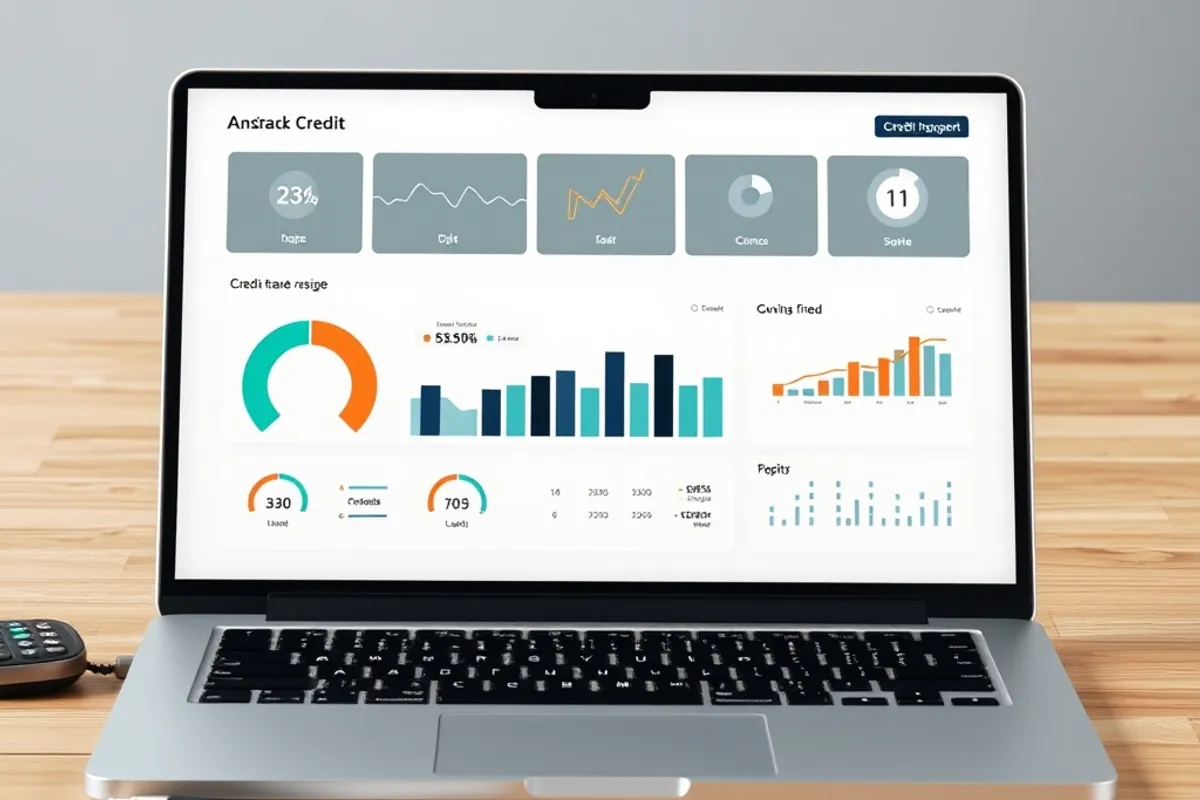
Check the file at least twice a year and before any major application. Set reminders for supplier payments and keep the company details current. If the business moves, update the bank, suppliers, insurer and official registry promptly.
Keep financial statements and bank records in a form a lender can follow. The credit file tells a lender what you have done; the statements explain whether the business can repay. Both need to tell the same story.
Before you apply
Decide how much you need, what it is for and how it will be repaid. A clear purpose and a realistic repayment source matter more than a perfect score. Prepare the last two or three years of accounts, current management figures, tax returns and a simple cash-flow forecast.
Ask the lender which files and scores it uses, and whether the application will create inquiries on the business or personal file. Compare offers on total cost, not just the headline rate. A slightly higher rate with a longer interest-only period may be safer for a seasonal business than a cheaper loan with immediate principal payments.
Official source: SBA, business credit and financing. This article is general information, not financial, tax or legal advice.