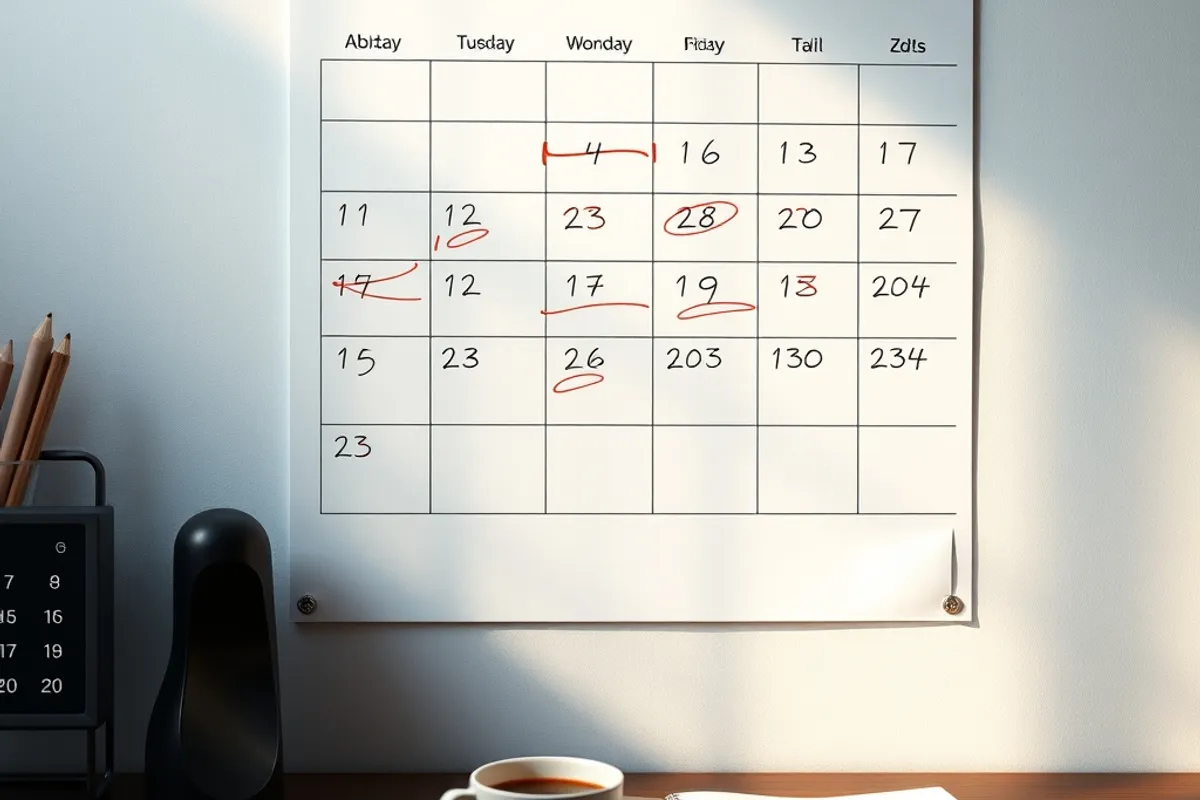
For freelancers, sole traders, partners and many company owners, tax is not withheld from every payment. It is paid in instalments during the year. When those instalments are not planned, a profitable quarter can still end with a cash shortage.
This guide explains how quarterly estimated taxes interact with cash flow, how to set a reserve, and how to adjust when profit comes in above or below plan. It is general information; confirm the rules and dates for your jurisdiction with a qualified adviser.
Key facts
- Estimated tax payments are generally required when tax is not withheld from income.
- Underpayment can trigger penalties and interest even if you are due a refund at filing.
- Safe-harbour rules can protect you from penalties if you pay a sufficient percentage of prior-year or current-year tax.
- Setting aside tax as revenue arrives is easier than finding a lump sum at the deadline.
- Payment dates and percentages vary by jurisdiction, so build the calendar for your own situation.
Why quarterly payments exist
Tax systems generally prefer to receive revenue through the year rather than in one lump sum after the fact. When an employer withholds tax, that happens automatically. When you are self-employed or receive business income, you are usually responsible for making the payments yourself.
The obligation is based on expected tax for the year, not on the cash in the bank on the due date. That is why a business can be profitable and still struggle: the profit is real, but the cash has been used for stock, equipment or owner draws before the tax is reserved.
Building the calendar
List the payment dates that apply to your business and tax year. Put them in the same calendar as payroll, rent and insurance renewals. Include a reminder two weeks before each date so there is time to move money, not just notice the deadline.
If you operate in more than one jurisdiction, or you have both personal and business obligations, mark each one separately. A single missed payment can create a penalty that outweighs the interest earned by holding the cash longer.

Estimating the payment
Estimate annual taxable profit from the current pipeline, recurring revenue and known costs. Apply the relevant tax rate and divide by the number of instalments. If income is seasonal, use a cumulative method rather than assuming four equal quarters.
Base the estimate on realistic revenue, not the best month of the year. If a large contract is uncertain, model it separately and adjust when it is signed or paid. An estimate that assumes every prospect converts is not a plan; it is a hope with a tax bill attached.

Safe harbour and penalties
Many systems offer a safe harbour: if you pay at least a set percentage of last year's tax, or a high enough share of the current year's tax, you may avoid an underpayment penalty even if the final bill is higher. The percentages and eligibility rules vary.
Do not rely on a safe harbour without checking it applies to your situation. It protects against penalties, not against the tax itself. If profit rises sharply, paying only last year's amount can leave a large balance due at filing. Plan for the cash, even if the penalty is avoided.
The tax reserve
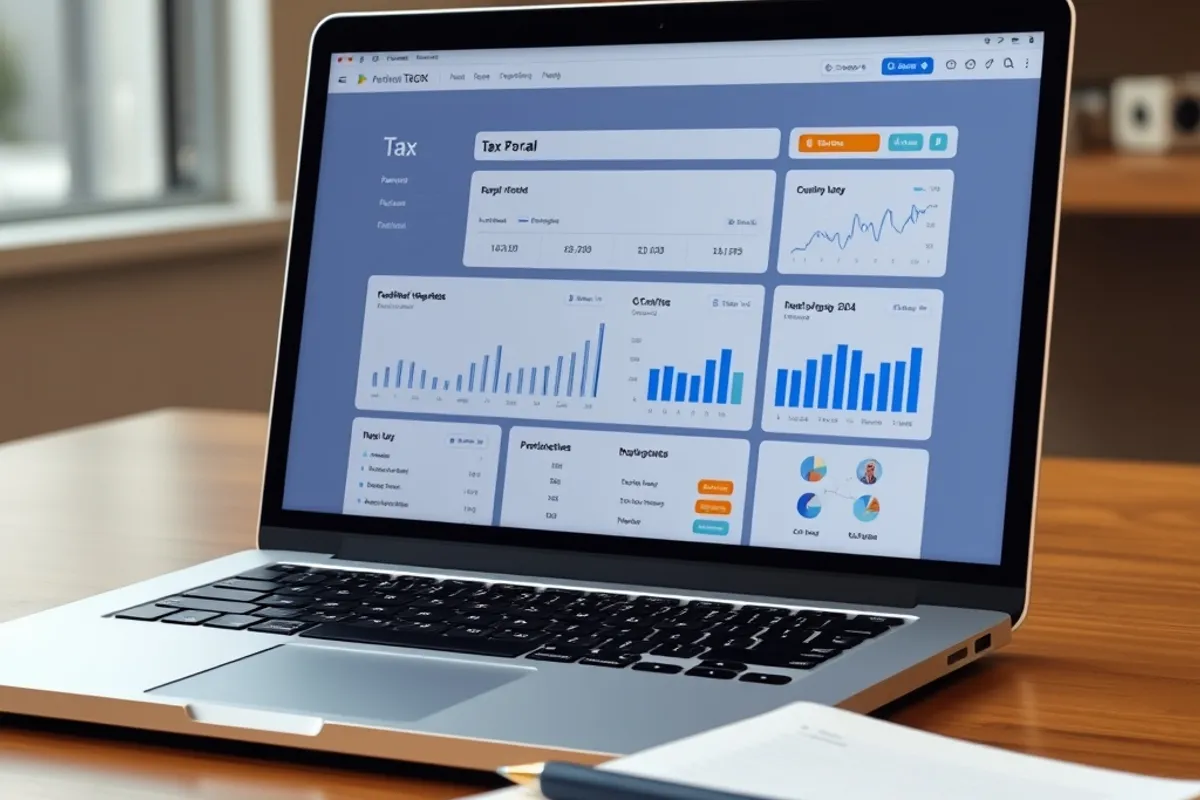
Move a percentage of each customer payment into a separate tax account as soon as it clears. The percentage should reflect your expected effective rate plus a margin. Review it quarterly and adjust if profit is running ahead of plan.
Treat the reserve as untouchable for operations. If you need to borrow from it, record the borrowing and repay it before the next due date. A reserve that is quietly spent on stock is not a reserve; it is deferred stress.
Quarterly tax is a cash-flow design problem. Solve it monthly and the deadline becomes routine.
Adjusting during the year
Review actual profit against the estimate each quarter. If revenue is lower, you may be able to reduce the next payment; if it is higher, increase the reserve before the next deadline. Do not wait until the annual return to discover the gap.
Large one-off events — the sale of an asset, a big contract, a windfall — need their own tax calculation. Do not assume the regular percentage covers them. Ask an adviser before you spend the proceeds.
The quarterly checklist
Reconcile the bank account, total revenue and expenses, update the profit forecast, calculate the next payment, confirm the reserve balance and check the due date. Note any changes in ownership, entity structure or major asset purchases.
Keep the working papers with the payment confirmation. If the estimate was wrong, the reasoning explains why. A documented process is easier to defend and easier to improve than a number typed once a year.
Official source: IRS estimated taxes. This article is general information, not financial, tax or legal advice.